
Hiring a tree service for the first time can feel like a leap of faith. You have a tree that is too big, too close to the house, or leaning the wrong way after a storm, and you are not sure what happens next. If you have been searching for a Fort Mill tree service and wondering what the process actually looks like, here is a plain-English walkthrough, from the first phone call to the last rake across the yard.
It Starts With a Free On-Site Estimate
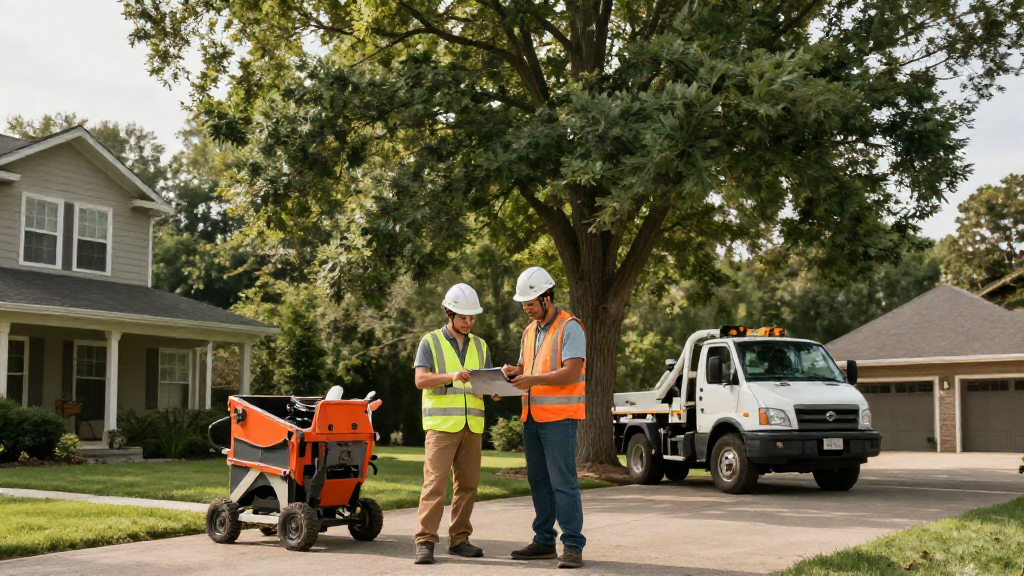
Every solid job begins with a free, no-pressure estimate. A crew member walks your property with you and looks at the tree itself, not just your address. They check the lean, look for cracks, dead limbs, decay, or fungal growth, and measure how close the trunk and canopy sit to your roof, driveway, fence, and any power lines. They also study the ground: where a bucket truck or crane can park, which direction the tree wants to fall naturally, and how much room the crew has to work safely.
That visit is also your chance to learn your options. Not every tree has to come down, but when one does, you want a crew that can take it down safely. Sometimes a good trim, a cable, or a targeted removal solves the problem for far less money and disruption. A straight answer at this stage is the first real sign you are dealing with a professional.
Questions Worth Asking the Crew
A strong estimate is a conversation, so come prepared. Ask whether the company is licensed and insured and whether they will provide proof in writing. Ask if the quote is a firm written number or a rough range. Ask who is responsible for permits, how they will protect your lawn, driveway, and landscaping, whether stump grinding is included, and exactly who hauls away every branch and log. Finally, ask what happens if something is damaged during the job. The answers tell you more about a company than any ad ever will.
Scheduling, Permits, and Insurance on a Fort Mill Property
Once you accept an estimate, the job gets scheduled. Standard removals are often booked a few days to a couple of weeks out, depending on the season, while storm damage and hazardous trees are treated as emergencies. Weather plays a role too: high winds, heavy rain, and soaked ground can push a safe start date back, and a good crew will tell you why rather than risk your property.
Do You Need a Permit?
Many properties around Fort Mill and York County fall under local tree ordinances that require a permit before a protected or larger tree comes down, and the rules can be stricter on commercial lots. Your contractor should know the local requirements and either handle the paperwork or tell you clearly what you need to file before work begins. Skipping that step can turn a simple removal into a fine, so never treat permits as an afterthought.
What Licensed and Insured Really Means
These two words carry real weight. Licensing shows the company meets local requirements to operate, while insurance is what protects you. General liability coverage pays for damage to your home or a neighbor's property, and workers' compensation covers the crew if someone is injured on your job. If you hire an uninsured crew and a limb crushes your roof or a worker gets hurt, the bill can land on you. Always ask for a certificate of insurance before the first cut.
What Cleanup Should Look Like When the Job Is Done
The work is not finished when the tree hits the ground; it is finished when your yard looks better than the crew found it. A clean job means every log, branch, and pile of brush is hauled off, the stump is ground down and the hole filled, and the work area is raked, blown, and cleared of sawdust and debris. Walk the property with the crew lead before they leave and confirm the details, particularly the drop zone and any spot you flagged during the estimate. A tidy finish is not a bonus; it is the standard.
How to Plan Around the Job
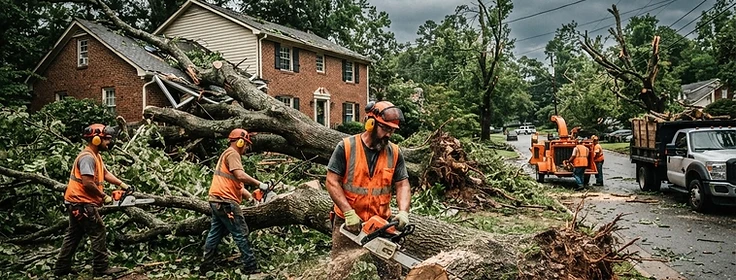
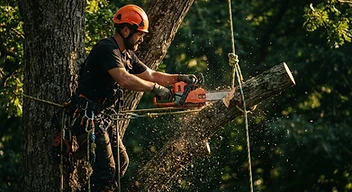
A little preparation makes the day run smoothly. Move vehicles out of the driveway and away from the drop zone, keep children, pets, and guests inside while the crew works, and expect several hours of chainsaw and chipper noise. If utility lines are involved, the power company may need to be scheduled first. Plan the day around the job rather than the other way round, and give the crew room to work safely.
Why Hiring Local Matters
KSOR Tree Service has served Charlotte and the surrounding communities since 2007, including Fort Mill, Matthews, Mint Hill, Pineville, Huntersville, and Indian Trail. That is more than 18 years of reading local trees, local soil, and local ordinances, backed by a licensed and insured crew that handles technical removals, rigging near homes and power lines, precise trimming, and stump grinding. We know this area because we live and work here, and we answer the phone when a storm leaves a tree on your roof.
Your First Removal Does Not Have to Be Stressful
The process is simple once you know the steps: a free, no-pressure estimate, a clear written scope, proper permits and insurance, skilled hands on the job, and a yard left clean. If you are ready to get started, reach out for a free estimate and get a straight answer about your tree, your timeline, and your budget. Not every tree has to come down, but when one does, you want a crew that can take it down safely.